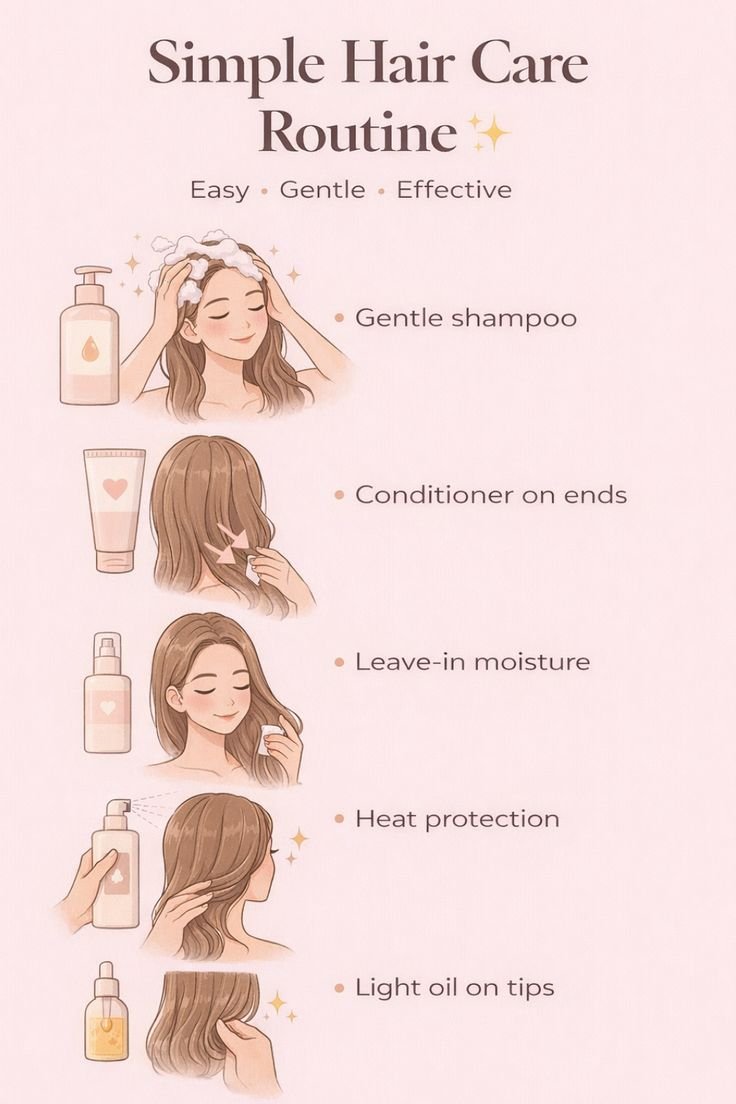
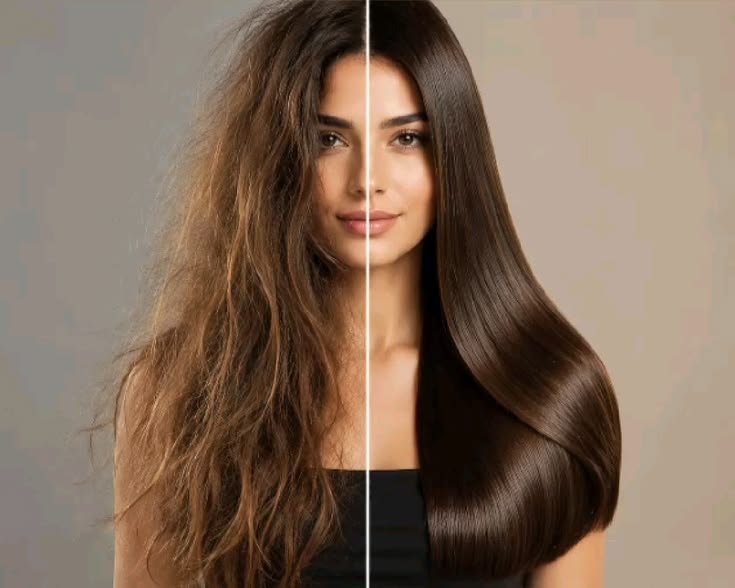
Dry, rough, straw-like hair can make even the simplest hairstyle feel impossible. Heat styling, coloring, frequent washing, sun exposure, and everyday friction can all leave strands desperately needing moisture. That’s where a good deep conditioner can make a noticeable difference.
Unlike a regular conditioner, a deep-conditioning treatment is designed to give hair a more concentrated dose of moisturizing and conditioning ingredients. Stylists commonly recommend using one about once a week, especially when hair feels brittle, tangled, dull, or unusually dry.
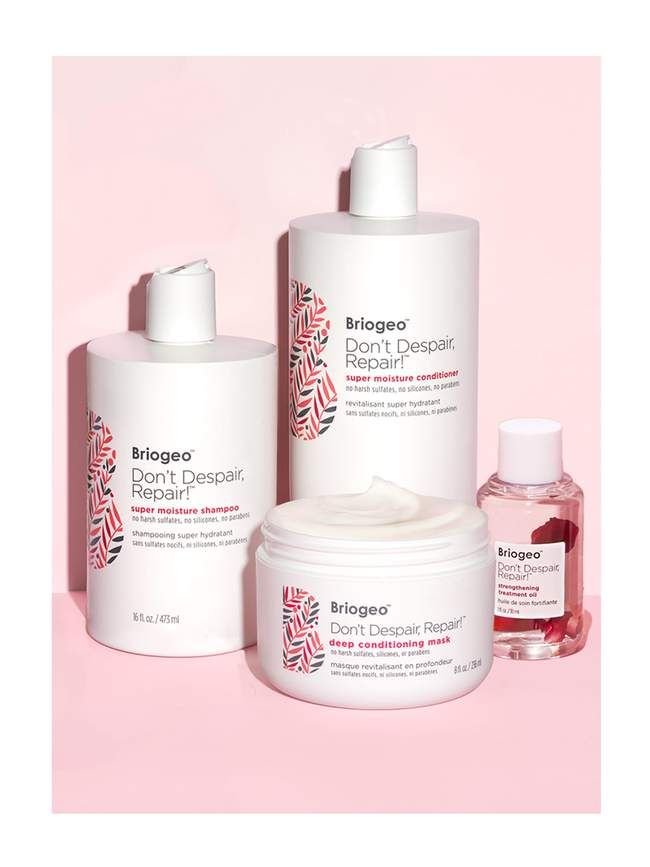
1. Briogeo Don’t Despair, Repair! Deep Conditioning Mask
A popular choice for hair that feels dry and stressed, this mask is designed to soften strands while improving manageability. It’s particularly appealing if your hair regularly faces heat styling.
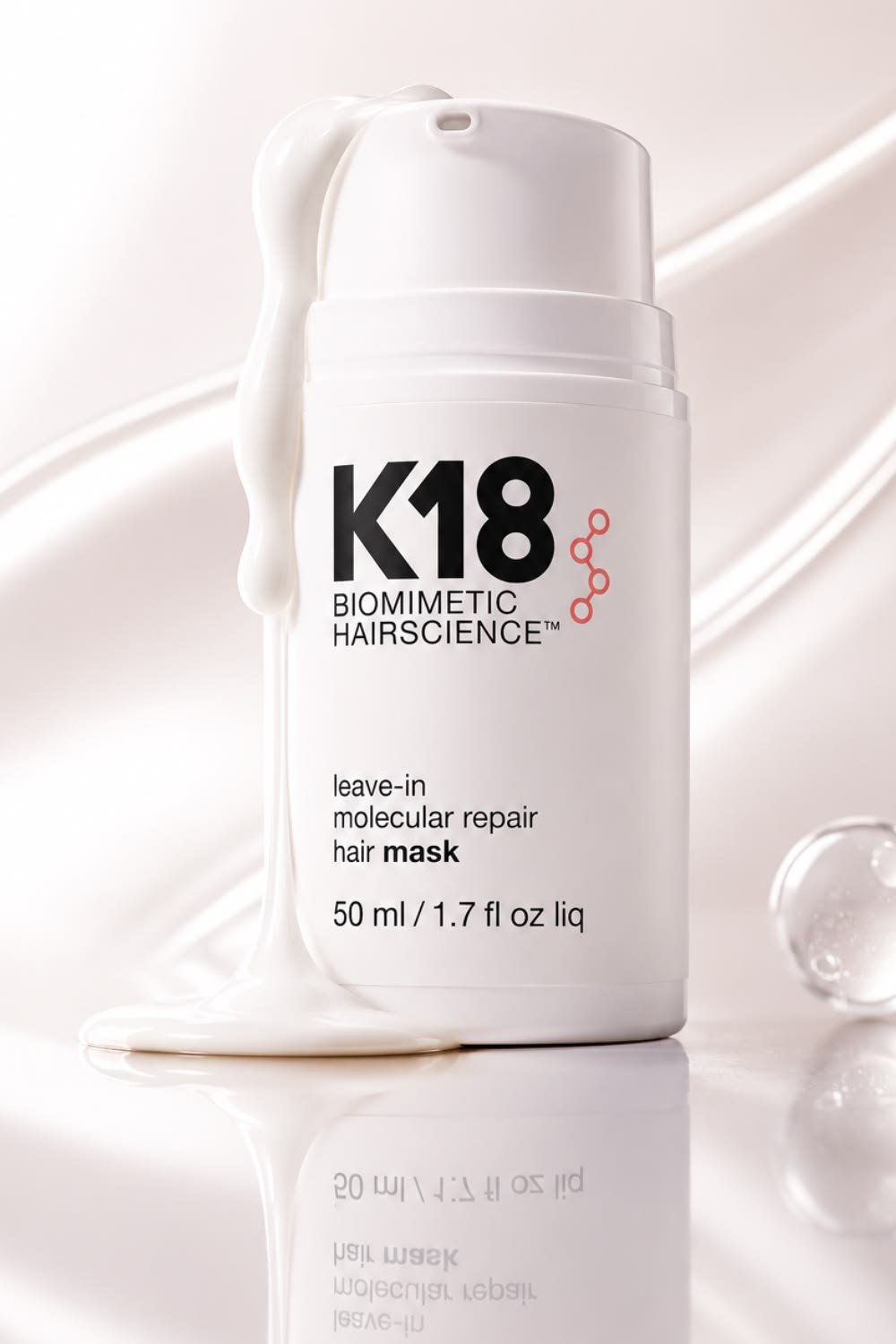
2. K18 Leave-In Molecular Repair Hair Mask
If bleaching, coloring, or frequent heat styling has left your hair fragile, a repair-focused treatment may be more appropriate than a purely moisturizing mask. K18 is widely recommended for chemically damaged hair and focuses on repairing damage rather than simply coating the strands.
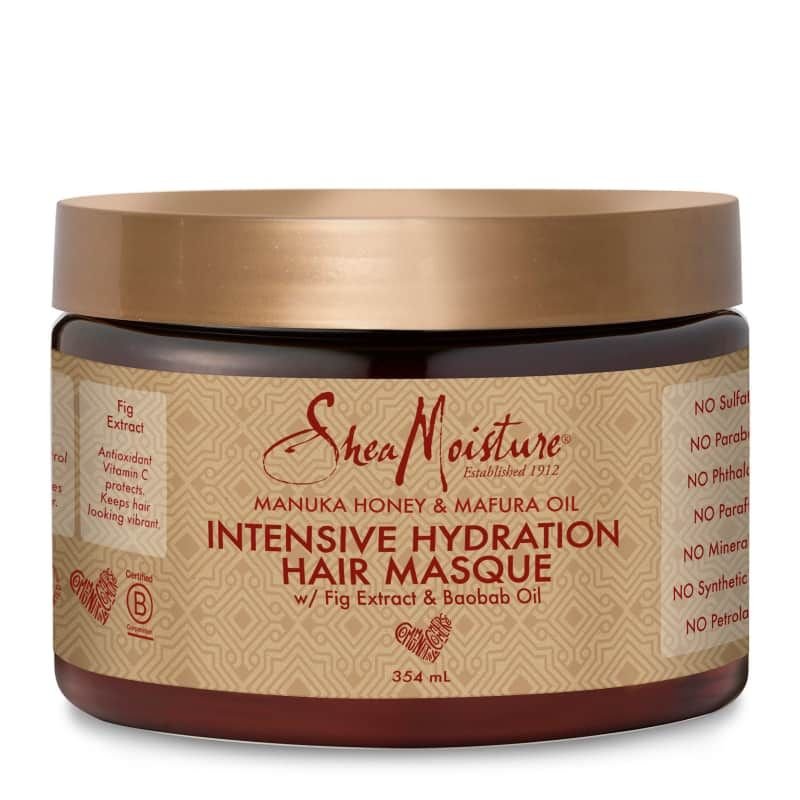
3. SheaMoisture Intensive Hydration Hair Masque
For thick, coarse, curly, or exceptionally thirsty hair, richer formulas can provide the softness and slip that dry strands need. Shea butter and nourishing oils are especially useful for hair that struggles to retain moisture.
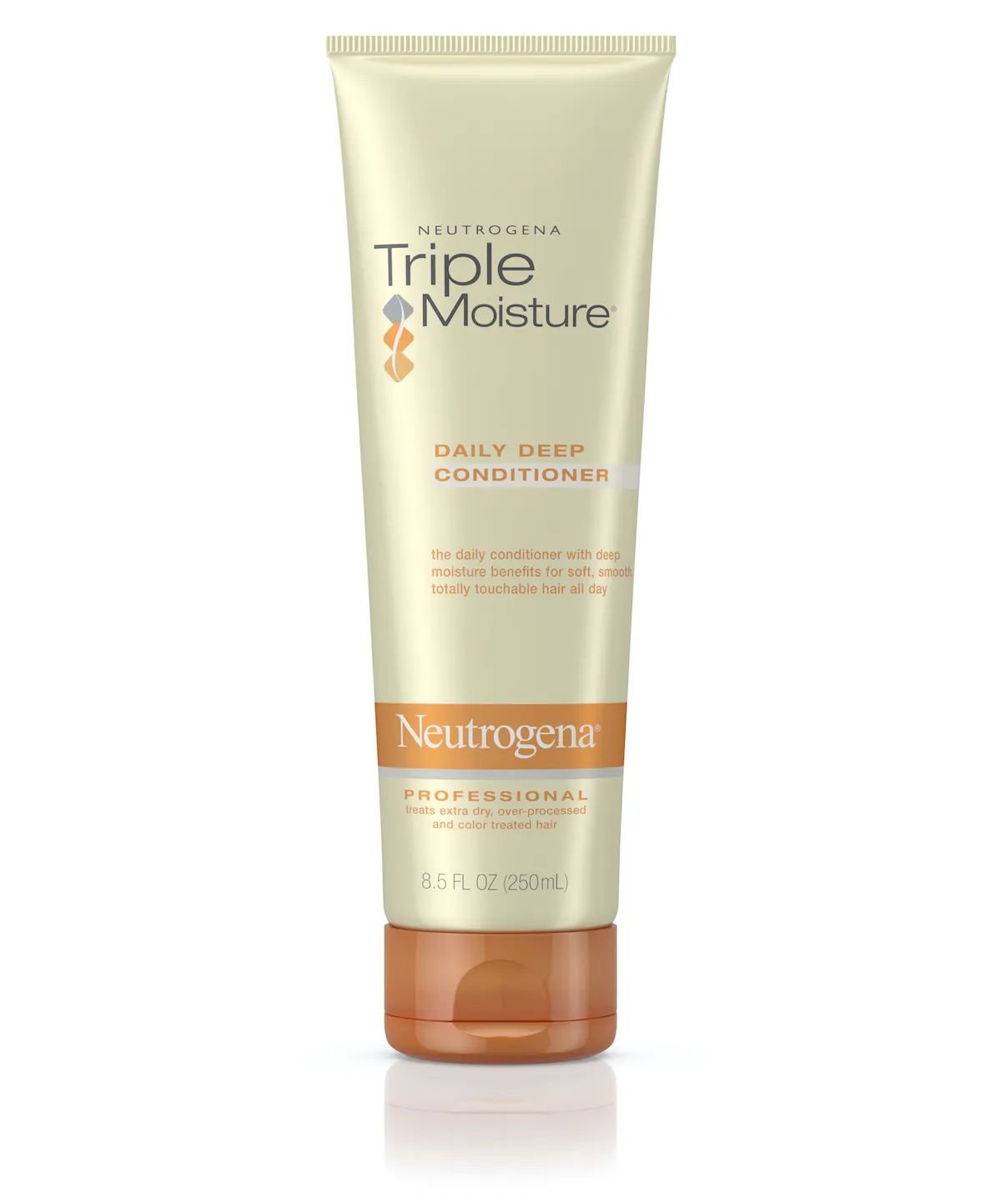
4. Neutrogena Triple Moisture Deep Conditioner
A budget-friendly option for extra-dry hair, this type of formula focuses on moisture and softness without requiring a lengthy salon treatment. Botanical oils such as olive, meadowfoam seed, and sweet almond can help improve smoothness and manageability.
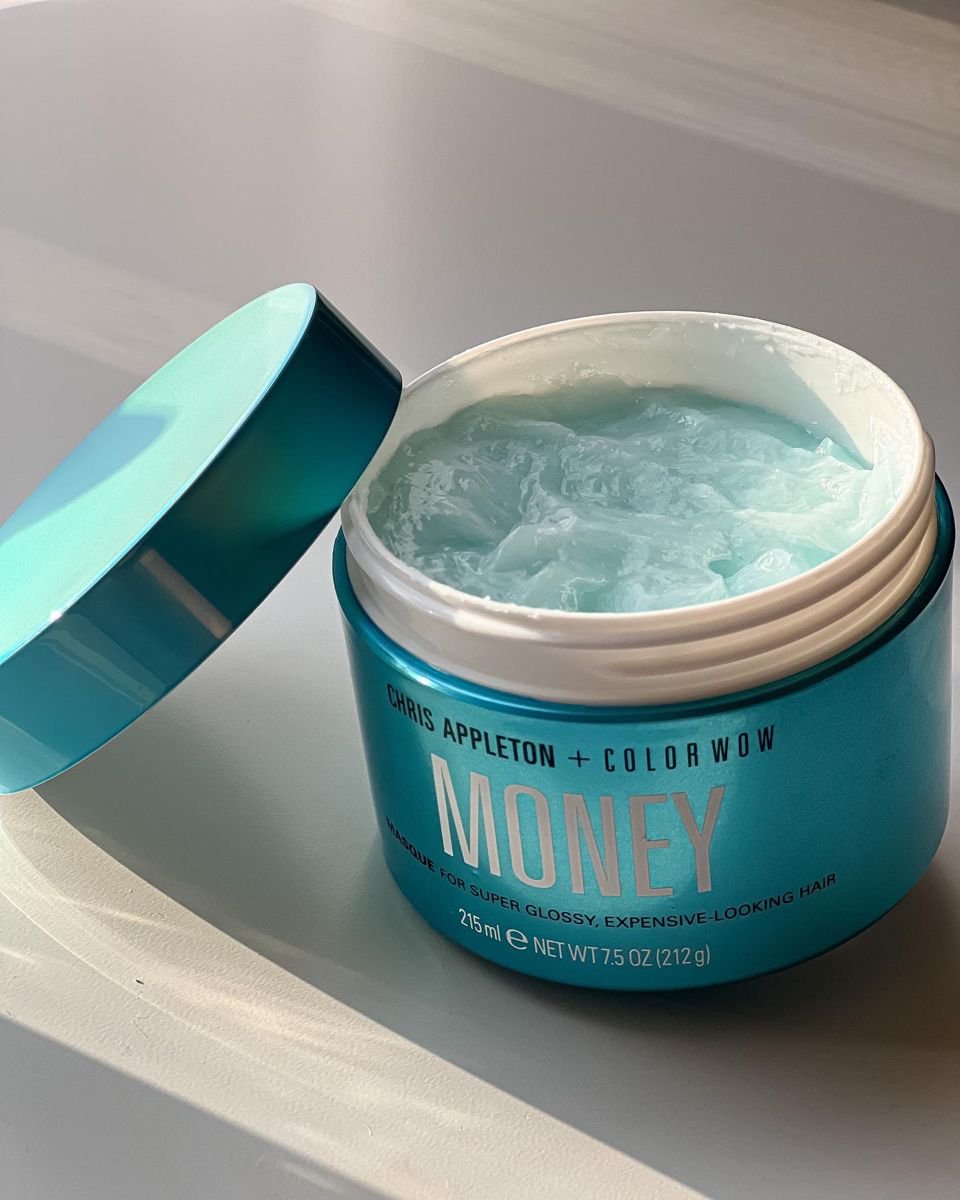
5. Color Wow Money Masque
If your biggest complaint is rough, dry ends, this treatment is worth considering. It has recently been highlighted as a quick deep-conditioning option that can leave dry hair feeling softer and easier to detangle.
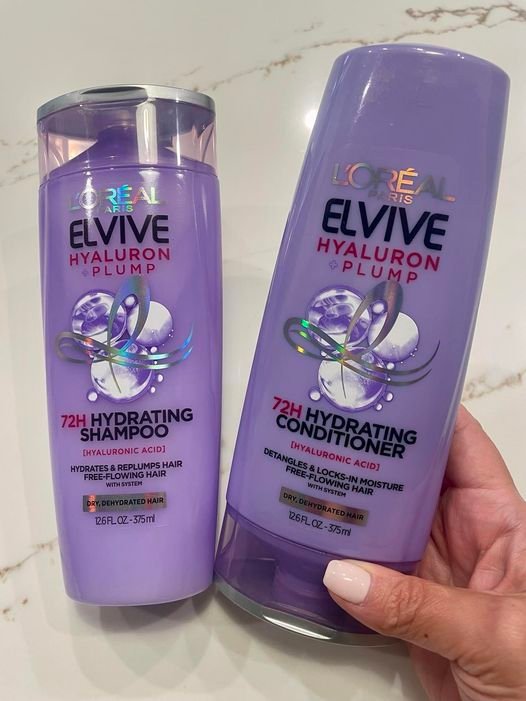
6. L’Oréal Paris Elvive Hyaluron Moisture Conditioner
Hair that feels dehydrated rather than severely damaged may benefit from lightweight, moisture-focused ingredients. Hyaluronic acid is commonly used in hydrating hair formulas because it helps attract and retain moisture.
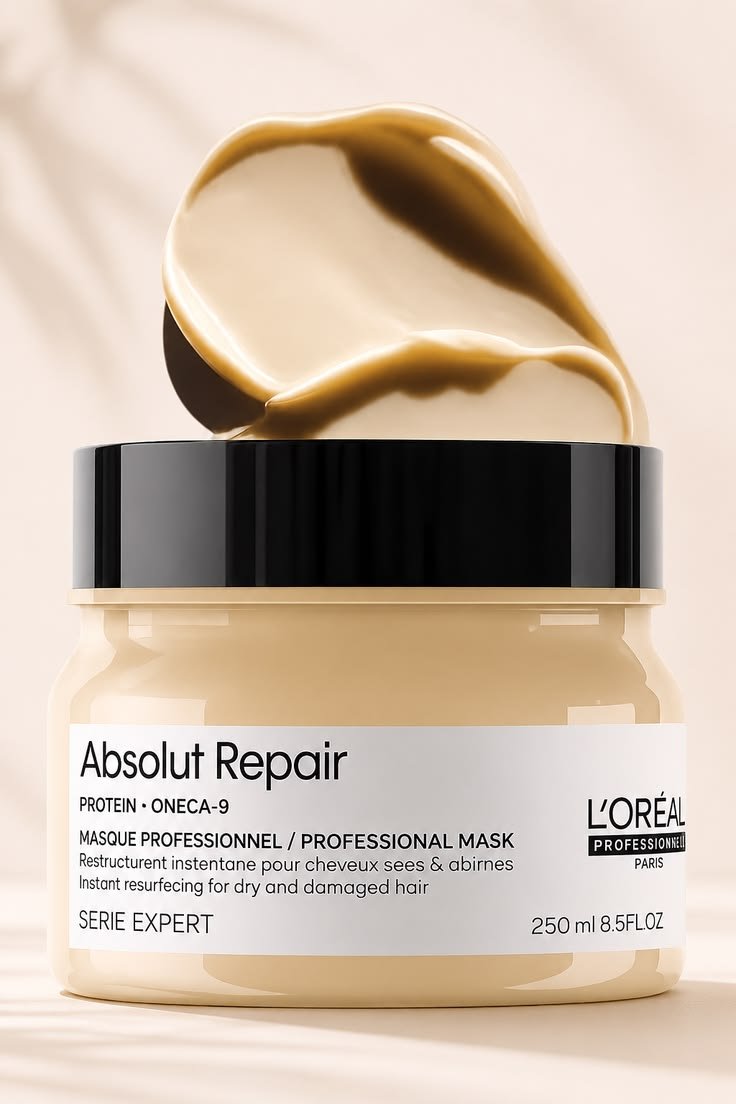
7. A Protein-Rich Repair Mask
Not every dry strand needs more oil. If your hair is breaking, snapping, or feels weakened after chemical processing, a treatment containing keratin, hydrolyzed silk, or other strengthening proteins may be more appropriate.
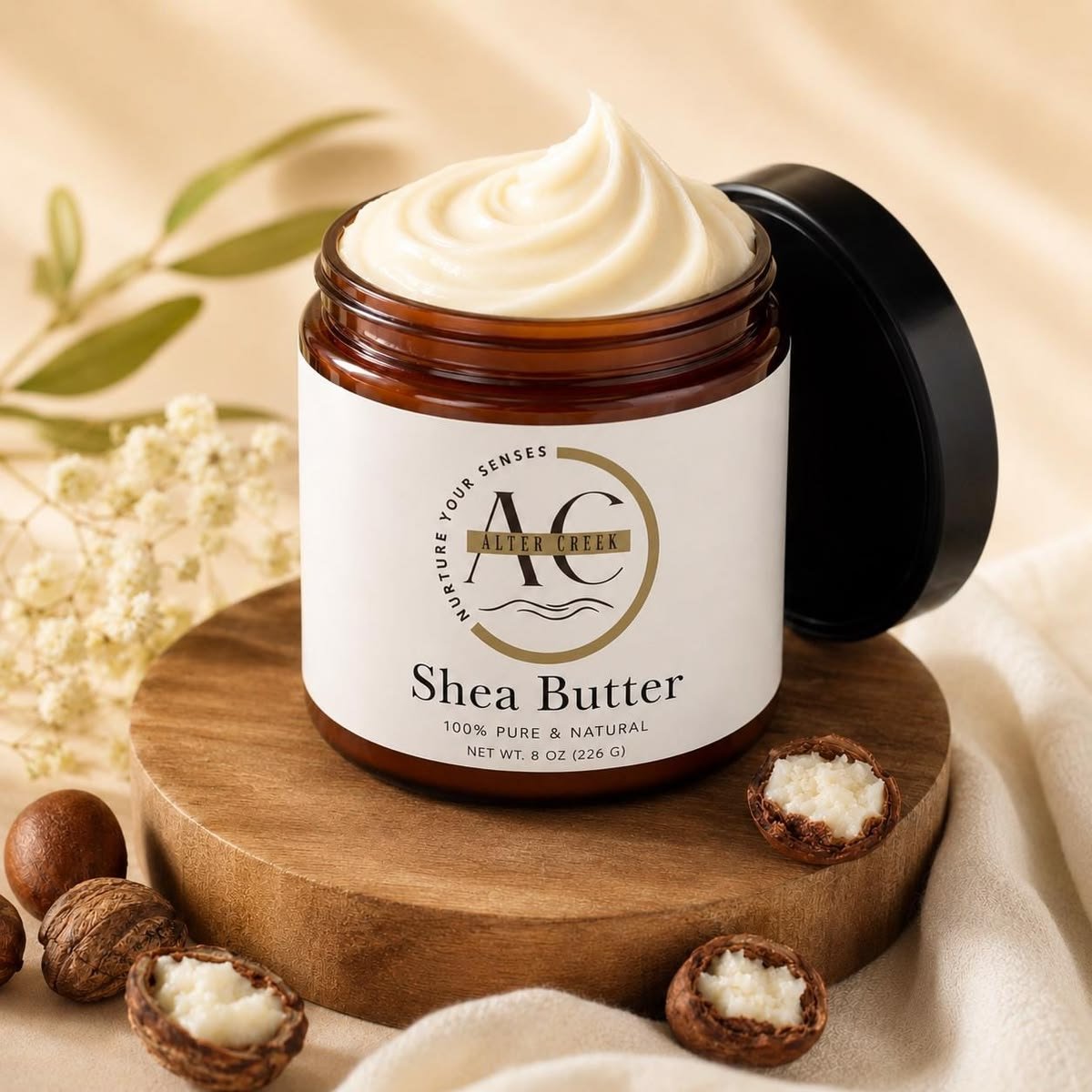
8. A Rich Shea Butter Mask for Curly Hair
Curly and coily hair often benefits from richer conditioning formulas because natural oils have a harder time traveling down the bends of the hair. Shea butter, coconut oil, and similar emollients can help improve softness and reduce the feeling of dryness.
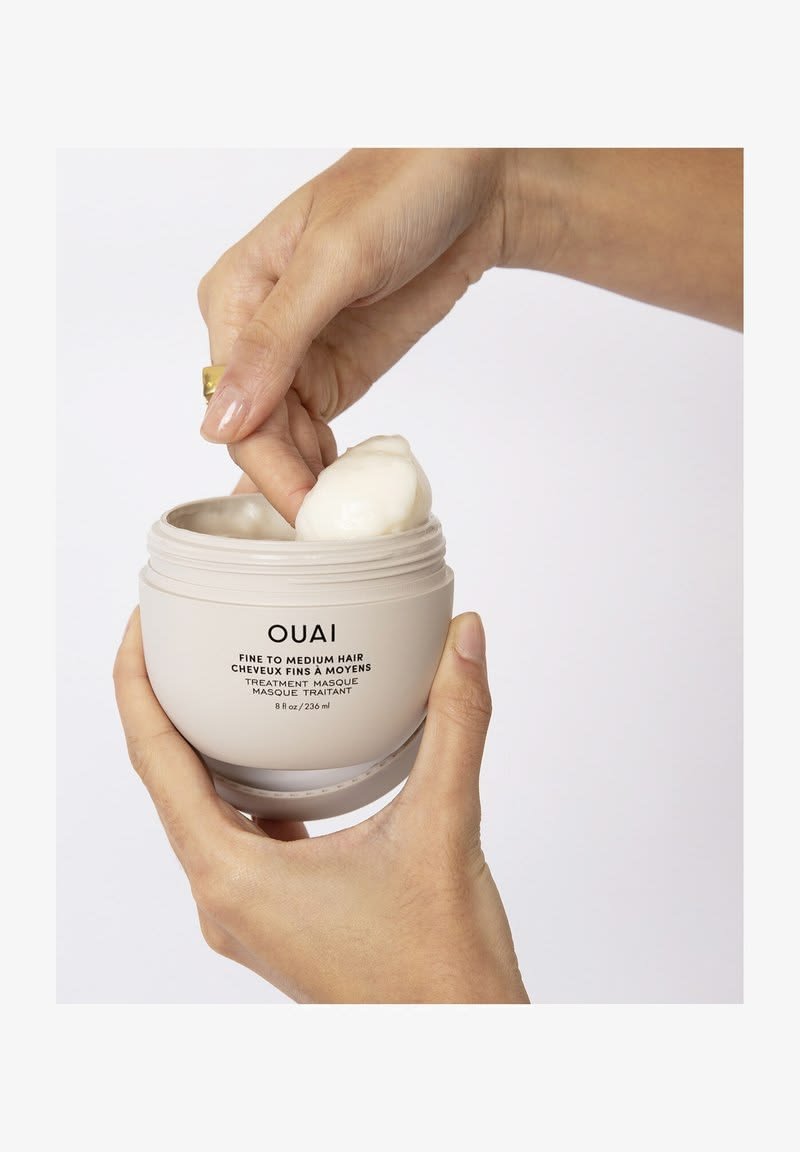
9. A Lightweight Mask for Fine Hair
Fine hair can be dry without needing an extremely heavy product. Look for lightweight moisturizing ingredients and apply the treatment mainly from the mid-lengths to the ends. This can provide hydration without leaving the roots flat or greasy.
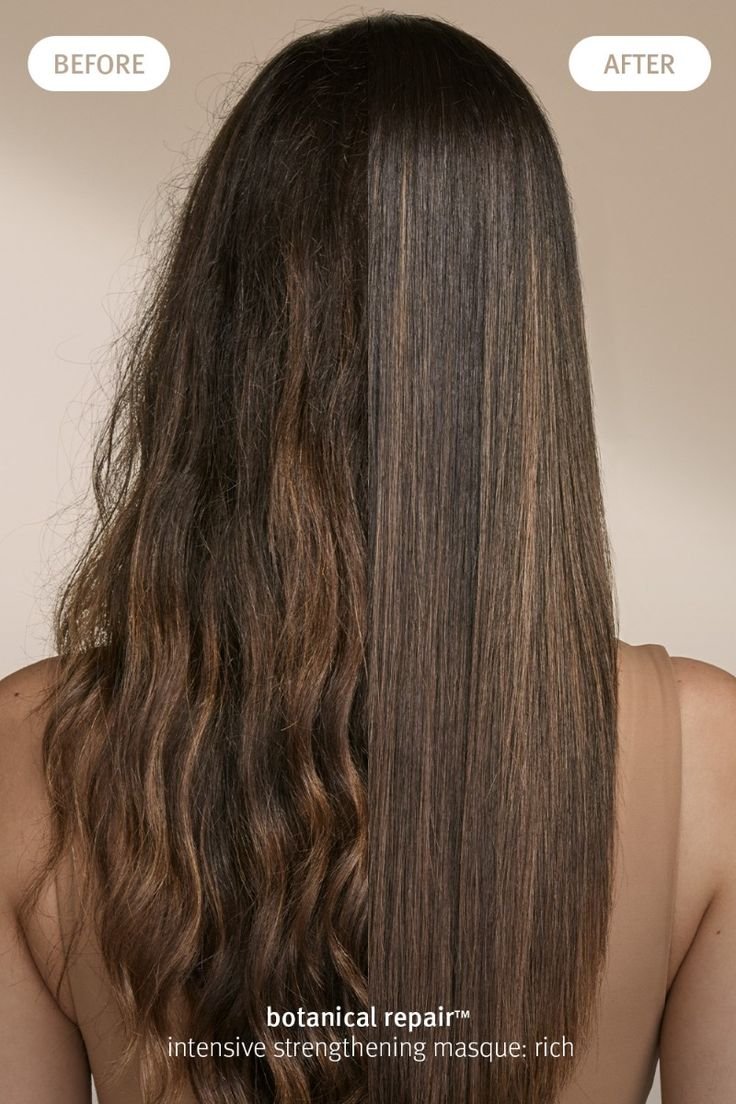
10. A Bond-Repairing Treatment
When dryness comes with obvious damage from bleach, coloring, or repeated heat exposure, consider a treatment specifically designed for structural repair. Bond-repair products can complement moisturizing masks when hair needs both softness and strength. Recent stylist recommendations continue to highlight bond-repair treatments for chemically stressed hair.
How to Get Better Results From Your Deep Conditioner
The product is only part of the equation. Apply your deep conditioner after cleansing, concentrate it on the lengths and ends, and follow the product’s recommended processing time. Using a mask approximately once a week is a common professional recommendation, although very fine or oily hair may need less frequent treatments.
And remember: severely dry hair usually won’t transform after one application. Consistency matters. Experts emphasize that maintaining moisture regularly is easier than trying to reverse extensive damage later.
The Bottom Line
The best deep conditioner depends on what your hair actually needs. Dry curls may love rich oils and butters, while fine hair may prefer lightweight hydration. Bleached or chemically treated strands may benefit from a combination of moisture and strengthening ingredients.
Choose according to your hair type, use your treatment consistently, and give your strands time to respond. With the right routine, even dehydrated-looking hair can gradually become softer, smoother, shinier, and much easier to manage.